Security

What is a cybersecurity audit and when does your company need one?

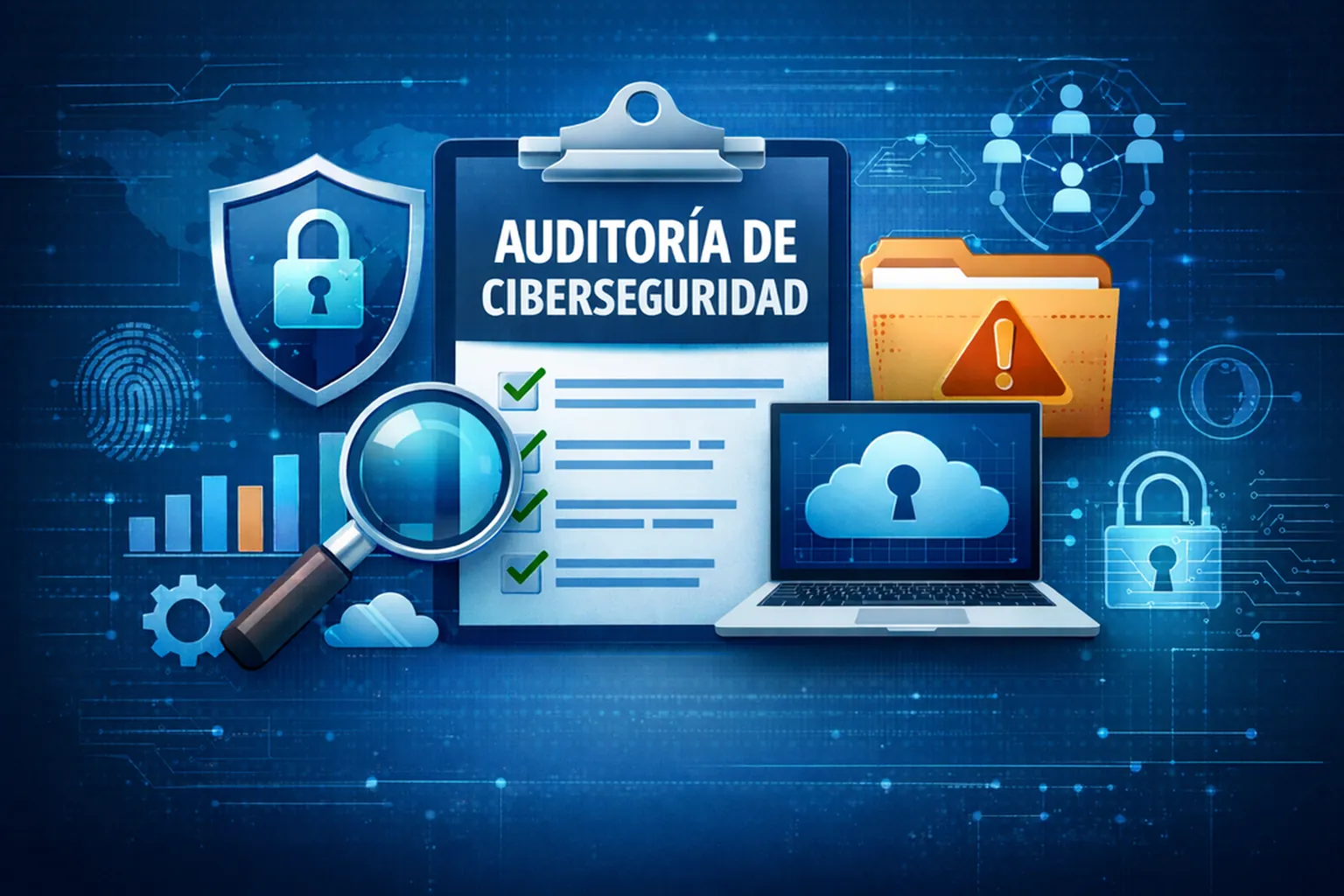
Cybersecurity audit illustration

Today, many organizations feel safe because “everything works”, they have not had any visible security incidents, or they have a few protection tools they consider enough to be protected against any threat. The reality, however, is that most successful attacks don’t happen because of obvious failures, but because of gaps that nobody was monitoring.

That is why a cybersecurity audit becomes an essential tool to identify those blind spots before they turn into incidents. In this article we explain, clearly and concisely, what a cybersecurity audit is, what it evaluates and when it becomes a strategic need for a company.

What is a cybersecurity audit?

A cybersecurity audit is a systematic assessment process that reveals the real state of an organization’s security, comparing it with best practices, standards and current risks. Its goal is not only to find and point out mistakes, but also to:

  • Identify technical and management weaknesses.
  • Assess the level of risk exposure.
  • Provide a clear view for decision-making.

What an audit is NOT

It is important to understand that a cybersecurity audit is not an automated vulnerability scan, nor an isolated technical exercise, nor simply a report produced to meet a requirement and then filed away.

An audit goes beyond finding specific flaws: it seeks to understand the context, the maturity of controls, the processes and the organization’s real ability to manage risk. Its true value lies in the conclusions and recommendations that improve the security posture and support strategic decision-making.

What does a cybersecurity audit evaluate?

An audit looks at security from a holistic perspective, covering areas such as:

  • Security governance and policies: Checking that policies, roles and responsibilities exist, are up to date and are applied.
  • Infrastructure and networks: From network configuration to firewalls, segmentation, access and monitoring.
  • Identity and access management: Control of users, privileges, authentication and credential handling.
  • Cloud environments and critical services: Checking cloud configurations, permissions, data exposure and resilience.
  • Incident management and continuity: The ability to detect, respond to and recover from a security incident.

This approach shows not only where the flaws are, but how prepared the organization is to face a real attack scenario.

When does a company need a cybersecurity audit?

Although any organization can benefit from an audit, there are key moments when it becomes especially necessary:

  • Rapid company growth.
  • Migration to or adoption of cloud services.
  • Regulatory or contractual requirements.
  • Previous security incidents, even “minor” ones.
  • Lack of real visibility into the state of security.
  • Changes in the IT team or technology providers.

If any of these apply, an audit is no longer optional and becomes a strategic tool.

Cybersecurity audit vs. pentesting

These two concepts are often confused, so here is how to tell them apart:

  • Cybersecurity audit: Evaluates processes, configurations, controls and the overall maturity of security.
  • Pentesting: Controlled attack simulations to exploit specific vulnerabilities.

Both are complementary, but an audit offers a broader, more strategic view of risk.

Risks of not auditing security

Not running regular audits can create significant risks for the organization, including:

  • Operational risk: Disruption of critical services.
  • Legal and regulatory risk: Penalties and non-compliance.
  • Reputational risk: Loss of trust from customers and partners.
  • Financial risk: High recovery costs after an incident.

In many cases, the impact of an attack is far greater than the preventive investment.

Best practices before starting an audit

For an audit to be effective, it is advisable to:

  • Have a basic inventory of assets and services.
  • Define clear objectives for the process.
  • Involve both technical and management teams.
  • Understand that the goal is to improve, not to blame.

A well-designed audit creates learning and strengthens the security culture.

Finally, it is important to understand that a cybersecurity audit is not a formality or a chore. Quite the opposite: it is a key tool that lets us understand the real level of risk exposure and make informed decisions.

At WolfGIS we believe security starts with visibility, awareness and strategy. Auditing is the first step to stop reacting and start anticipating.

If your organization is not clear about its real level of security, this is a good time to start assessing it.